Channelview Top Drain Hopper Washing for Thorough Equipment Cleaning
Channelview Top Drain Hopper Washing for Thorough Equipment Cleaning
Blog Article
All-Encompassing Truck Washing, Standard Maintenance, and Repair Services: Your Total Provider
Detailed truck cleaning, consistent upkeep, and repair solutions are vital for fleet operators pursuing to prolong vehicle durability and improve performance. These synchronized solutions not only enhance appearance but also forestall expensive repairs through swift detection of technical concerns. By streamlining operations, they resolve persistent difficulties faced by fleet operations. As the market transforms, comprehending these services becomes increasingly important. What factors should operators consider when choosing the ideal method for their specific circumstances?
The Significance of Thorough Truck Cleaning
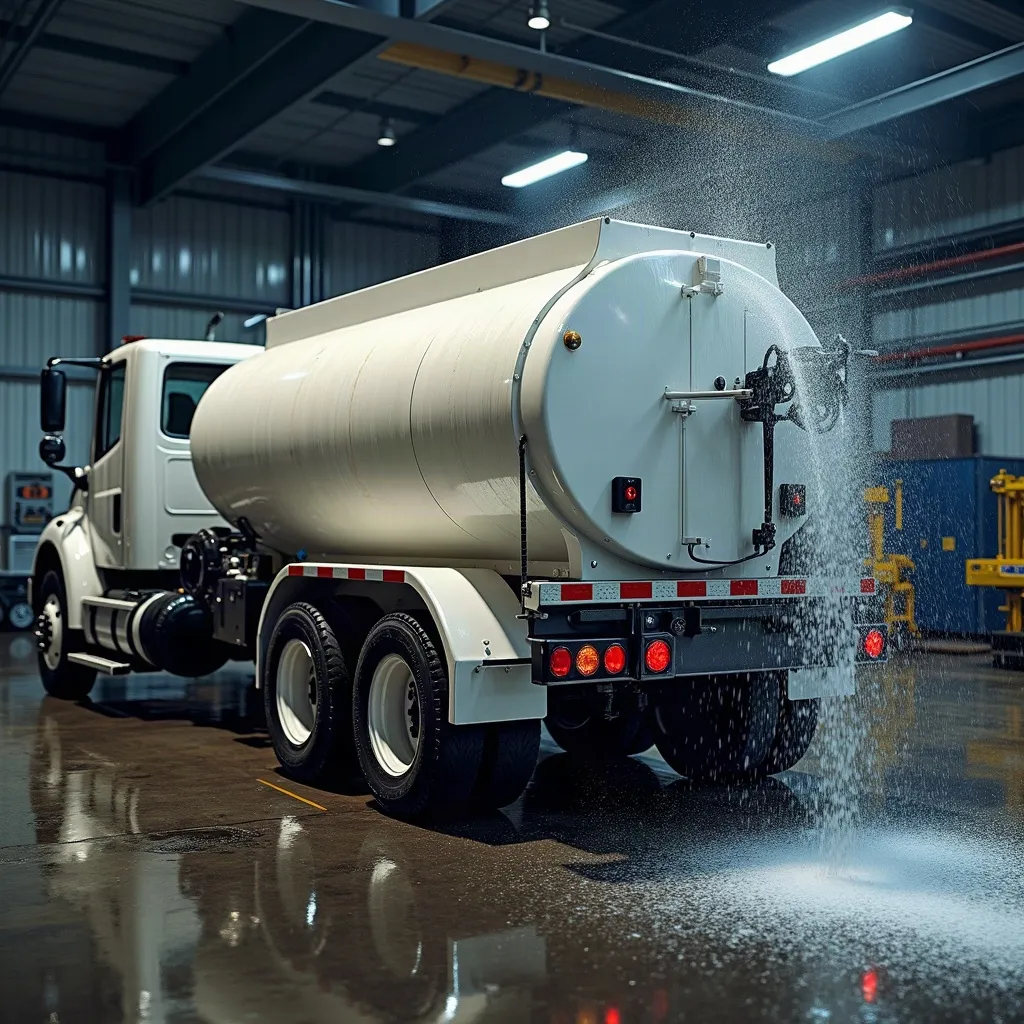
A comprehensive truck washing is crucial in maintaining the durability and efficiency of commercial vehicles. Regular cleaning eliminates dust, buildup, and harmful materials that can build up gradually, which may cause corrosion and damage. A clean truck not only enhances its visual appearance but also contributes to improved sight lines and protection for operators.
In addition, thorough cleaning aids in the spotting of potential mechanical issues, like leaks or damage, that may be covered by filth. This forward-thinking approach can circumvent more grave problems down the line.
Additionally, preserving a clean fleet can enhance a company's professional image, cultivating trust and reliability among clients. In summary, planned truck washing is a essential component of vehicle upkeep, ensuring that commercial fleets operate efficiently and effectively while minimizing long-term repair costs.
How Planned Upkeep Extends Equipment Life
Planned servicing is vital for boosting the lifespan of a fleet. By following a uniform maintenance schedule, fleet managers can recognize risks before they worsen into expensive maintenance. This preventive approach not only guarantees that vehicles function properly but also enhances safety for drivers and other travelers. Regular maintenance, such as oil changes, tire care, and brake inspections, contribute to optimal output and fuel efficiency, ultimately reducing operational costs.
Moreover, carefully maintained vehicles are less likely to suffer unexpected breakdowns, which can disrupt schedules and lead to lost revenue. Additionally, consistent maintenance can preserve vehicle value, making it more convenient to dispose of or trade in fleet assets. In a challenging sector where consistency is paramount, focusing on routine maintenance fosters trust with clients and enhances overall business reputation. Consequently, effective maintenance practices are crucial for guaranteeing fleet longevity and operational success.
Key Preventive Care Functions for Fleets
Maintaining a fleet calls for a systematic approach to different jobs that guarantee vehicles run smoothly and safely. Necessary maintenance tasks include frequent inspections, oil changes, and brake inspections, which confirm that each vehicle is kept in peak condition. Tire maintenance, encompassing rotation and pressure checks, is important for both safety and fuel economy. In addition, fluid levels—such as coolant, transmission fluid, and brake fluid—must be monitored and refilled as needed.
Scheduled maintenance and washing help safeguard the vehicles' exteriors and prevent rust and damage. Keeping detailed records of maintenance activities helps in tracking performance and identifying potential issues before they get worse. Furthermore, addressing minor repairs promptly can avoid costly downtime and increase the fleet's lifespan. By following these essential maintenance tasks, fleet managers can boost overall efficiency, lower operational costs, and ensure compliance with safety regulations.
The Way a One-Stop Truck Care Solution Overcomes Frequent Fleet Issues
A comprehensive complete truck care solution successfully addresses many common challenges encountered by vehicle providers. By combining different services, including cleaning, servicing, and repairs, fleet managers can streamline workflows and cut downtime. This fusion streamlines organization and logistics, making possible more efficient vehicle oversight.
Moreover, a centralized service point strengthens coordination between different service organizations, reducing the risk for misunderstandings or gaps in service. Fleet operators benefit from uniform service quality, as technicians gain familiarity with designated vehicles and their particular needs.
In addition, establishing a single location for all truck maintenance needs eliminates the difficulty of dealing with assorted service providers, as a result economizing on time and resources. By handling these operational challenges, a unified truck maintenance service empowers fleet operators to focus on their core business activities while ensuring their vehicles stay well-maintained and compliant with industry standards.
How Consistent Maintenance and Rinsing Reduce You Funds
Routine upkeep and cleaning of trucks can substantially lower extended expenses for fleet operators. By preventing costly breakdowns, boosting fuel economy, and prolonging vehicle life, these services deliver major financial advantages. Dedicating resources to regular maintenance not only safeguards assets but also supports overall operational efficiency.
Stop High-Cost Repairs
Investing in vehicle cleaning and maintenance can greatly reduce the risk of expensive fixes down the line. Regular washing cleans away grime, salt, and debris that can cause corrosion and damage to critical components. Maintenance routines, including oil changes and inspections, help spot potential issues before they turn into major problems. This proactive approach not only lengthens the life of the vehicle but also improves overall safety on the road. Additionally, well-maintained trucks are less likely to experience breakdowns, minimizing downtime and associated repair costs. By keeping trucks clean and in ideal condition, operators can considerably reduce the likelihood of unexpected expenses, thereby ensuring a more efficient and profitable operation.
Enhance Gas Efficiency
Keeping a well-maintained and regularly maintained truck boosts fuel efficiency, ultimately helping operators money. Regular washing cleans off dirt and grime that can create drag, enabling smoother airflow and better aerodynamics. In addition, routine maintenance, like checking tire pressure and ensuring peak engine performance, plays a critical role in fuel economy. Well-kept engines run more efficiently, consuming less fuel during operation. Moreover, promptly addressing minor problems prevents them from developing into expensive repairs, further protecting the bottom line. Operators who spend time keeping their trucks clean and regularly serviced can expect a significant reduction in fuel expenses, aiding overall operational efficiency and profitability. Regular maintenance and washing are essential methods for maximizing fuel efficiency.
Enhance Automobile Durability
Maintaining a clean truck not only improves fuel efficiency but also greatly aids its overall lifespan. Regular washing removes harmful contaminants such as dirt, salt, and grime that may wear down surfaces and parts. This preventative practice protects the truck’s paint and undercarriage, considerably lowering the risk of rust and structural damage. Moreover, routine maintenance, including oil changes and brake inspections, guarantees all systems perform at peak levels, preventing expensive breakdowns. Regular inspections help catch early potential problems, permitting timely fixes. By committing to consistent washing and maintenance, truck owners can lengthen vehicle life and minimize costs, ultimately leading to major savings over time. Focusing on vehicle care is a wise strategy for any owner.
Picking the Right Companion for Your Truck Care
In what manner can you discover the superior collaborator for truck care in a filled market full of choices? Choosing the fitting vendor requires several critical factors. Chiefly, reputation ranks supreme; potential partners should have glowing reviews and accolades from satisfied customers. Lastly, competence in various services—like cleaning, maintenance, and fixes—secures complete support for all truck needs.
In addition, verifying certifications and industry affiliations can reveal the provider's commitment to quality and safety standards. Ease of access and practicality also play a part; a partner with multiple locations or mobile services can greatly enhance operational efficiency.
Ultimately, transparent pricing and clear service options avoids unexpected costs, supporting enhanced financial control. By using these standards, fleet managers can select a dependable provider that maximizes vehicle longevity and performance, ultimately facilitating greater operational efficiency.
Elements Shaping the Coming Era of Truck Upkeep
Progress in technology are transforming truck maintenance, setting new standards for reliability and performance. The advent of anticipatory service, driven by advanced data analytics and IoT sensors, allows fleet managers to monitor vehicle conditions in real-time. This proactive approach reduces downtime by addressing issues before they escalate into expensive maintenance.
Additionally, automated processes is becoming increasingly prevalent in maintenance practices. Robot-based systems and AI-driven diagnostics streamline routine tasks, allowing technicians to devote attention to more complex repairs. Moreover, the rise of electric and hybrid trucks requires new maintenance protocols, emphasizing the importance of expert training for technicians to handle specialized systems.
Sustainability is likewise shaping the future, with eco-friendly cleaning products and techniques growing in popularity. Overall, these shifts signify a shift towards more innovative, highly efficient truck maintenance solutions that not only strengthen performance metrics but also align with environmental responsibilities.
Regularly Raised Questions
How regularly Should I wash My Truck?
Trucks should consult article preferably be cleaned every two weeks to maintain their appearance and safeguard the paint. However, more regular cleaning may be necessary in severe environments or after exposure to dirt, salt, or chemicals.
What Kinds of Materials Are Applied in Truck Washing?
Various items are utilized in truck washing, including biodegradable detergents, degreasing agents, waxes, and dedicated tire cleaning solutions. These items effectively remove dirt, grime, and road salt, enhancing the vehicle's look and protecting its surface from damage.
Can Regular Truck Cleaning Prevent Rust and Corrosion?
Washing trucks can successfully stop rust and corrosion by removing contaminants that cause oxidation. Regular cleaning helps maintain the truck's exterior, shielding it against environmental factors and extending its lifespan through minimized decay.
What Are the Red Flags My Truck Needs Prompt Fix?
Signs of immediate repair requirements comprise unusual noises, indicator alerts on the dashboard, fluid leaks, decreased performance, and shaking while driving. Taking action to these signs immediately can stop further deterioration and guarantee safe operation.
Is it essential to Plan Maintenance During Busy Seasons?
Planning maintenance during busy seasons is critical. Routine upkeep provides optimal performance and protection. Overlooking maintenance can lead to sudden failures, which may interrupt operations and raise costs over time. Emphasizing maintenance is smart.
Report this page